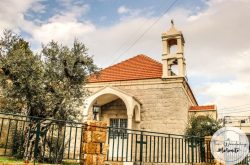
كنيسة تلاميذ مار مارون - مزرعة يشوع
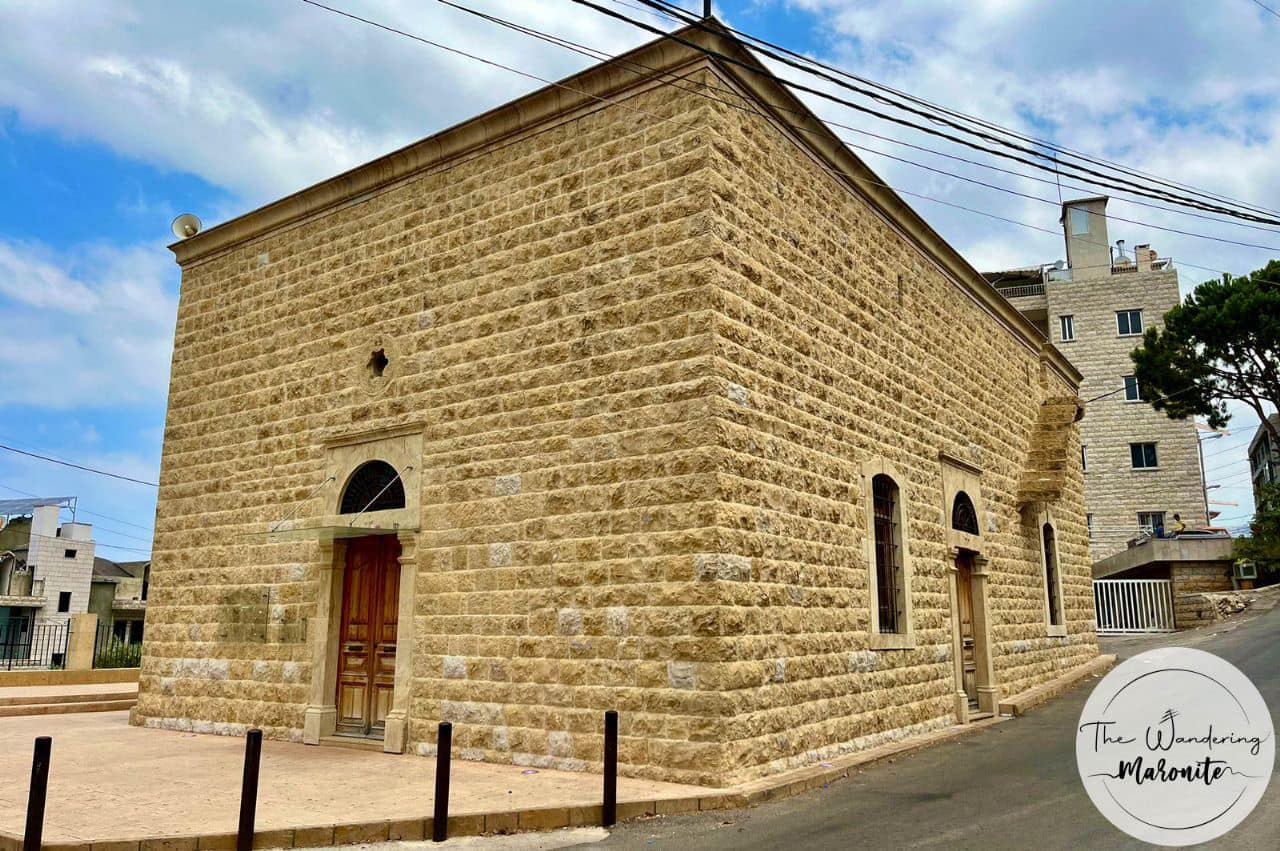
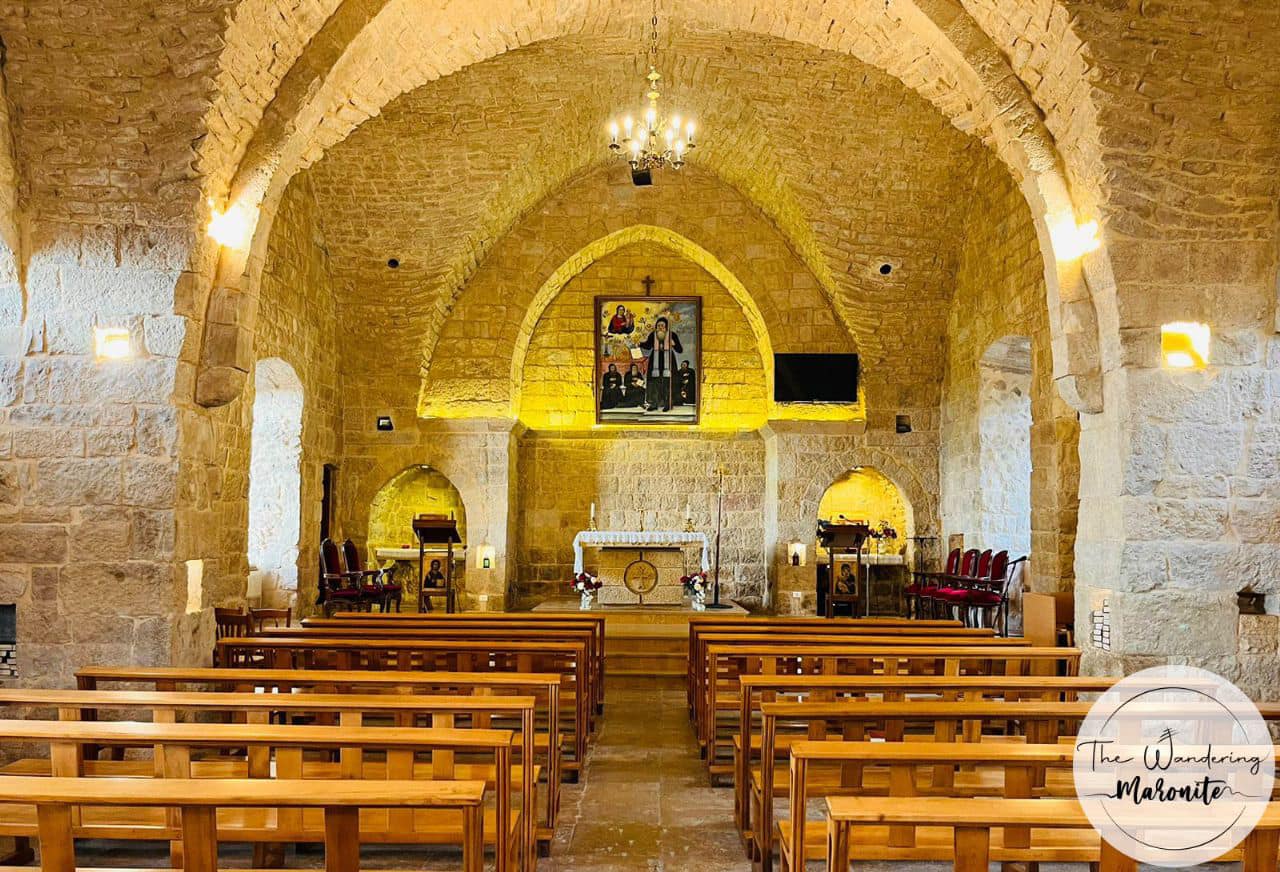
بُنيت الكنيسة الأولى شرفيّ البلدة أواخر القرن الثامن عشر. أعاد الأهالي بناء الكنيسة سنة ١٨٨٣ في موقعها الحاليّ. البناء كناية عن عقدٍ مُصالب ينتهي بحنية نصف دائرية. رمّمت الكنيسة أواخر القرن العشرين.
The Church of the Holy Martyrs, Disciples of St. Maroun - Mazraat Yashou’
The first church was built at the end of the XVIII century east of the village. The villagers rebuilt it in its current location in 1883. The structure is a cross-vault with a semi-circular apse. The church was restored during the nineties.
سنة ١٧٠٣ بنى الشيخ خطّار الخازن دير بكركي في محلّة البشوشي أوّلاً، وفي سنة ١٧٣٠ تسلّمه الرهبان الأنطونيون؛ بعدها سنة ١٧٥٠ تسلّمه المطران جرمانوس صقر والراهبة هندية عجيمي ليكون مقرًّا لأخوية قلب يسوع التي بدأت تشييد الدّير في موقعه الحاليّ. سنة ١٧٧٩ قضت براءة رسوليّة بأن يتحوّل دير بكركي لخير الطائفة المارونيّة. سنة ١٨٢٣ أصبح الدّير كرسيًّا بطريركيًّا لفصل الشتاء. سنة ١٨٩٠ رمّمه البطريرك يوحنا الحاج وأضاف إليه قسمًا من الطابق السفلي والطابق العلوي بكامله، والكنيسة التي رسم جداريّتها داوود القرم. والدّير من تصميم الأخ ليونار اللعازاريّ. رممّ أيضًا سنة ١٩٧٠ و١٩٨٢. سنة ١٩٩٥ أضاف إليه البطريرك نصر الله صفير جناحاً ليحفظ فيه الأرشيف ويكون متحفاً خاصاً بالكرسيّ البطريركي، كما أنشأ مدافن للبطاركة وزيّن الكنيسة بالزجاجيّات.
The Patriarchal monastery of Our Lady of Bkerke - Bkerke
In 1703 Sheikh Khattar el Khazen built the first church in the Bchouchi area and gave it in 1730 to the Antonine Order. In 1750 the monastery was given to Bishop Germanos Sakr and the nun Hindye to become a mother house to the congregation of the Sacred Heart of Jesus, and the construction on the current site began. In 1779 the congregation was dissolved and the monastery became the property of the Maronite church who decided to make it a winter residence for the patriarchs in 1823. In 1890 the building was restored by Patriarch John el Hajj with the design of the Lazarists Brother Lenard. The church was built and decorated with a fresco by Dawoud el Qorm. The building was restored in 1970 and 1982. In 1995 Patriarch Nasrallah Sfeir added a new hall for the archives and the museum, the patriarchal cemetery and decorated the church with stained glass windows.
هي كنيسة حارة التحتا، بناها مفرّج جريس أواخر القرن التاسع عشر وجعلها وقفًا ذريًّا. لوحتها عمل كنعان ديب الدلبتاوي سنة ١٨٧٣.
The church of St George - Qartaba
It is the church of El Tahta street, built as a private chapel for the family of Moufarrej Geryes in the late XIXth century. The painting is the work of Kanaan Dib from Dlebta in 1873.
Church of saint Elie Elias Sfayla Baabdat, Baabdat, Lebanon
كنيسة مار الياس الحيّ
Qartaba
Jbeil
Mount Lebanon
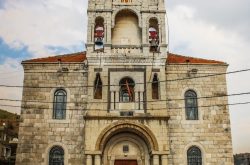
كنيسة مار الياس الحيّ - قرطبا
بُنيت الكنيسة الأولى منتصف القرن السادس عشر ورُمّمت سنة ١٥٥٦، وأعيد البناء سنة ١٨٤٦. أمّا البناء بشكله الحاليّ فيعود إلى سنة ١٩٠٣. وهي كنيسة بازيليكيّة بثلاثة أسواق وثلاث مذابح. تحوي الكنيسة مجموعة من اللوحات لكنعان ديب وداوود القرم، كما ومجموعة من الزجاجيّات. واجهة الكنيسة مشغولة بالحجر المقصوب مزيّنة بجرسيّة وساعة طنّانة.
The Church of St Elijah the prophet - Qartaba
The first church was built in the middle of the XVIth century and restored in 1556, it was rebuilt twice in 1846 and 1903. The church is built according to a basilical plan with three naves and three altars. The church holds many XIXth century paintings by Kanan Dib and Daoud el Qorm. The church is decorated by stained glass windows. The exterior of the church is decorated with a bell tower with a clock.



Reviews are disabled, but trackbacks and pingbacks are open.